What is play therapy?
Play therapy is a form of counseling that uses play as the main way children communicate and work through difficulties. Young children often do not have the words to describe worries, anger, grief, or confusion, but they can show these feelings through toys, drawing, sand, puppets, and imaginative games. A trained therapist observes this play, reflects it back, and helps the child build new ways to cope.
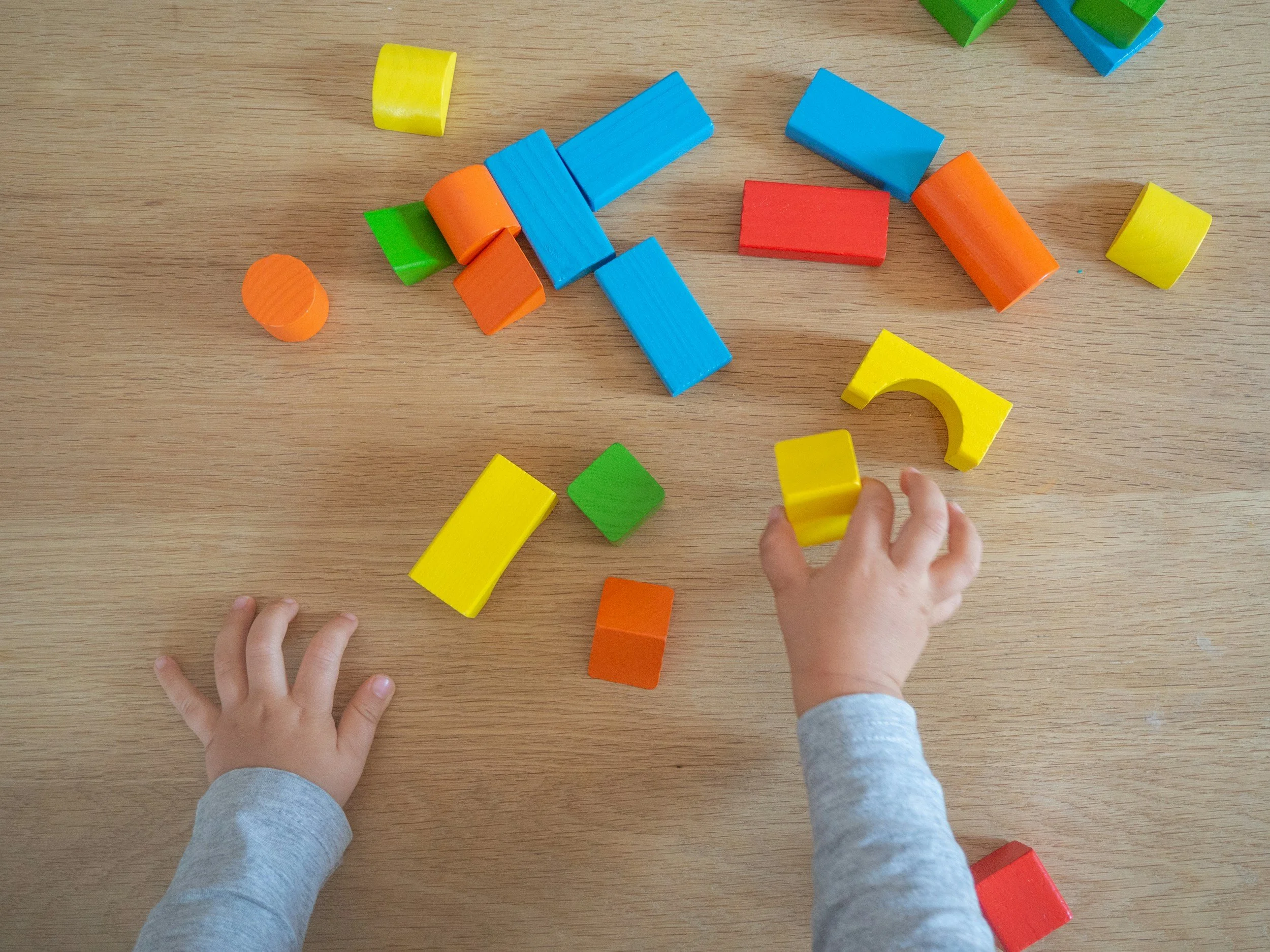
Sessions usually take place in a room stocked with carefully chosen materials, such as dolls, art supplies, building blocks, and action figures. The therapist follows the child’s lead rather than directing the activity, which helps the child feel safe, accepted, and in control. Over time, the play can help children process experiences like divorce, illness, a move, school stress, trauma, or big emotions such as anger and anxiety.
Play therapy can be used alone or alongside family sessions, where parents learn skills to support their child at home. Parents are often included so that the progress made in the playroom carries into everyday life.
I am a member of the Association for Play Therapy (APT), I am working towards becoming a Registered Play Therapist (RPT) under the supervision of Dawn Williamson.